

Not all creative endeavours start or finish the same. Much of what I post on here are the creative projects that include some form of design and then an actual physical build. For the past year, however, I have found that much of my creativity has come in the form of world building for our D&D campaign. I discussed what got me into playing Dungeons & Dragons as part of my Custom TV Gaming Table post, but I wanted to go a bit deeper into the creative aspect of creating a world rather than a physical project.
You might say this all started when one random day I just decided to sit down and start writing a story with no intention of it ever going anywhere. Those who know me know that I am not much of a reader when it comes to books. I prefer my information to be concise and straight to the point. My reasoning has always been that I spend the majority of my day having to “create” for others that I don’t want to have to imagine what a writer’s story might look like in my already overworked brain. So, to sit down and actually want to write a book seemed incredibly out of character. But there I was, plugging away for about a month.
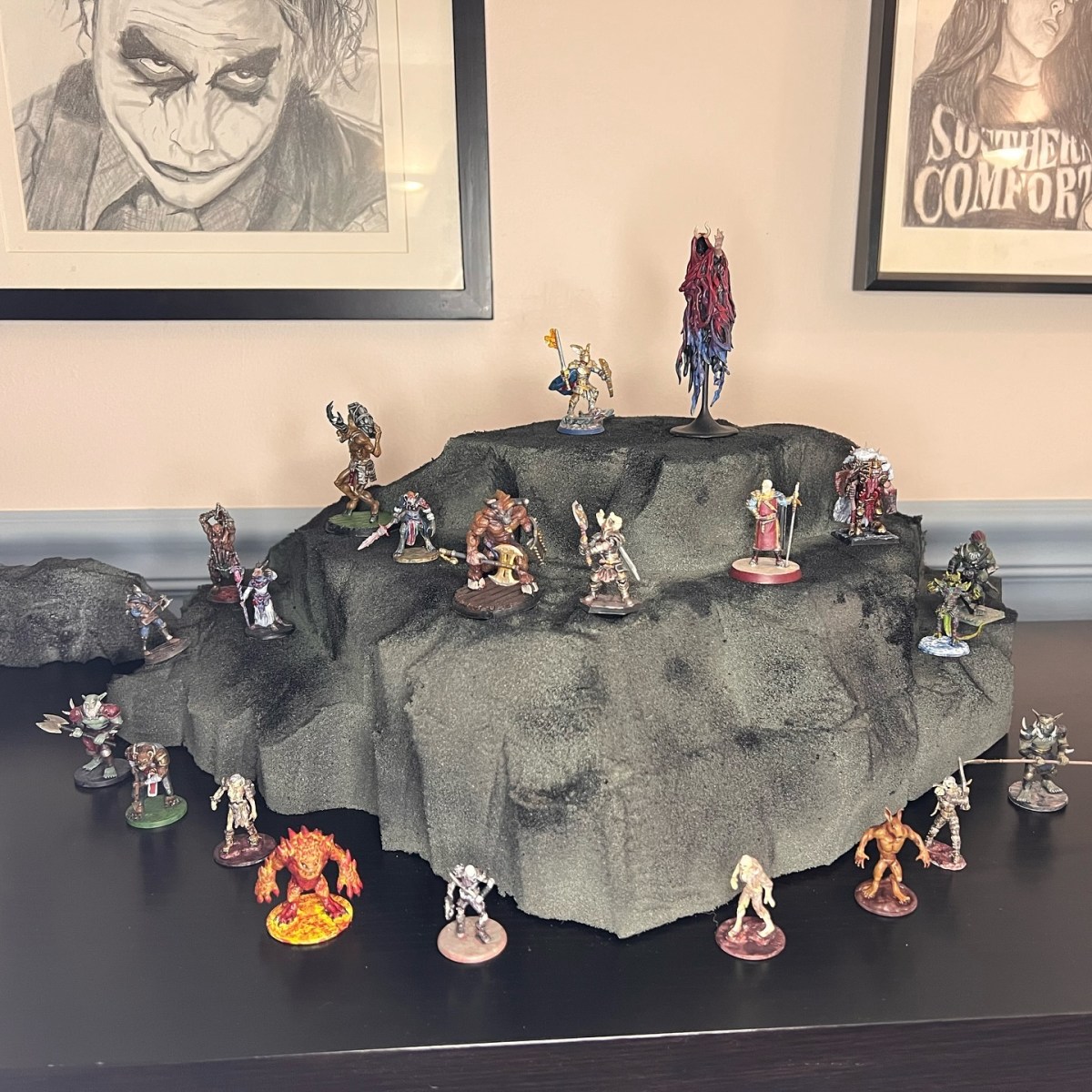
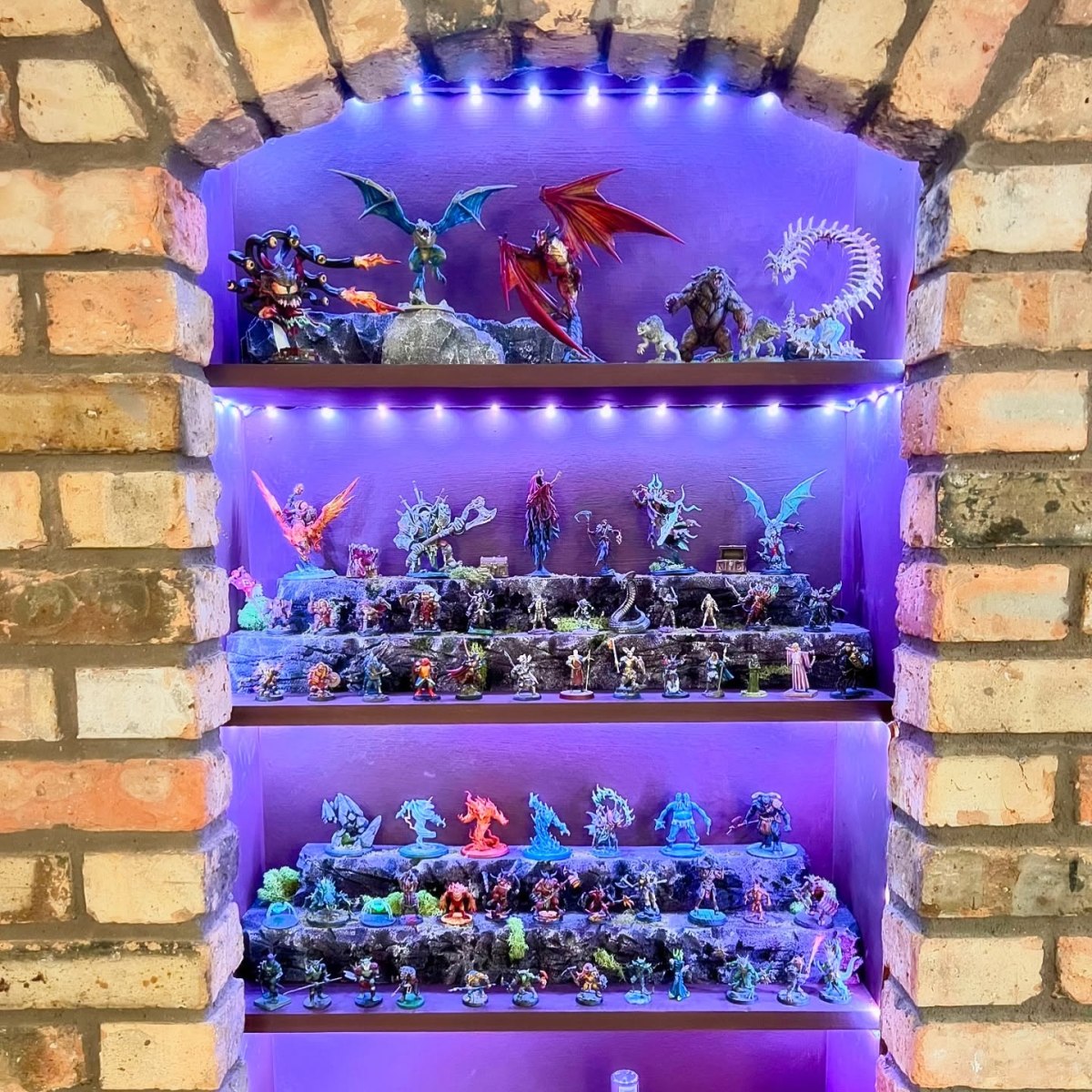
I ended up writing 6 chapters of a fantasy adventure before my motivation inevitably ran thin. Writing had become less of a creative outlet and more of a chore, which defeated the whole purpose of the journey to begin with. It was there as a pressure release valve for my creative crockpot. The silver lining of that endeavor would not come for many years later.
Once it was decided that I would be the dungeon master (DM) or our campaign, there was a period where I had to decide if I wanted to follow the bones of a world already created or create one of my own. This is where that silver lining of my incomplete book came into play. I had already fleshed out the local area including topography, some culture, and even trade. This DMing thing would be pretty easy after all, or so I thought.
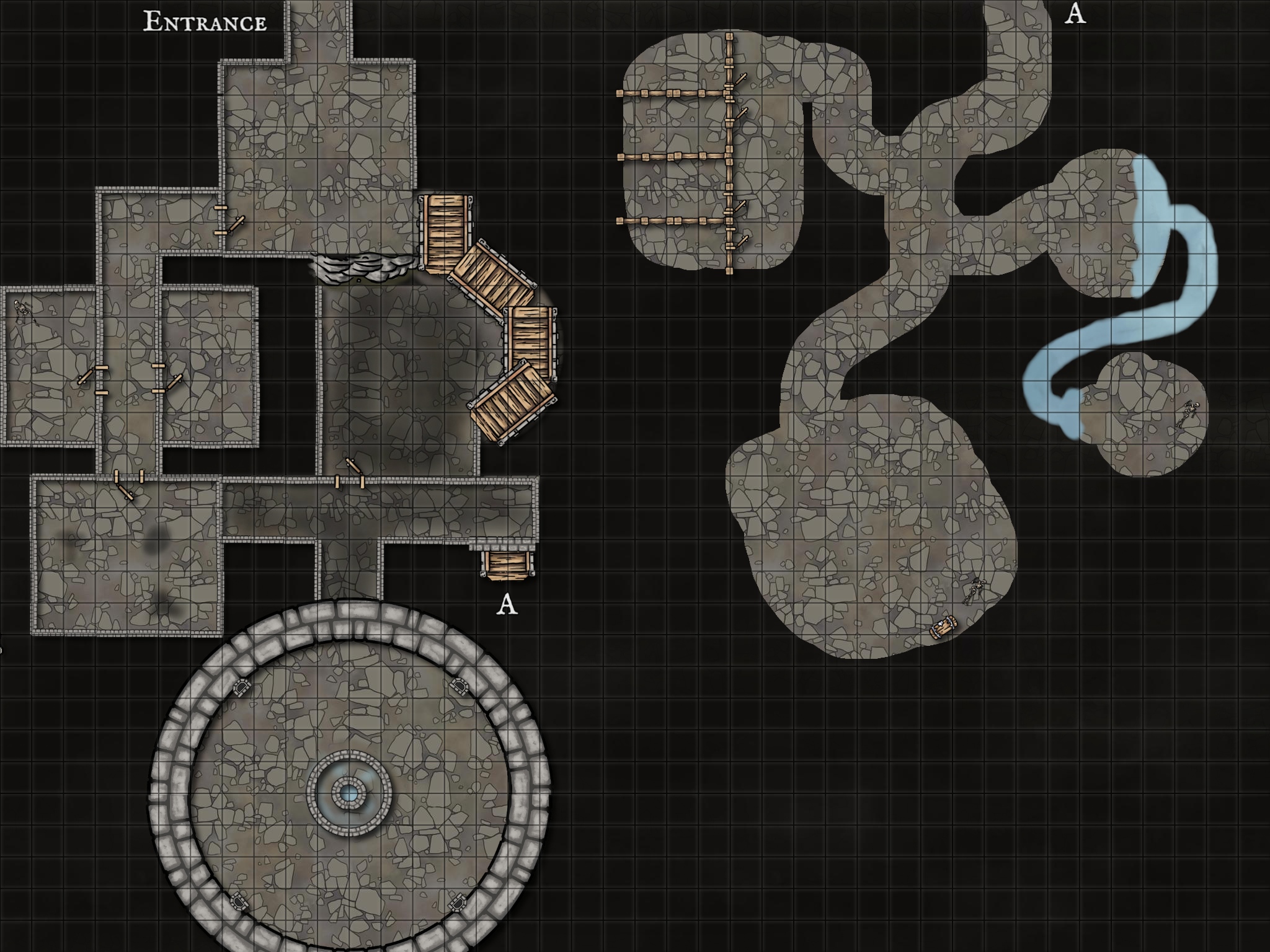

Some of my first maps created in Inkarnate
Turns out, however, that creating your own world from scratch takes an enormous amount of focus and brain capacity. Initially, I figured I could create a plot point and plan out the basic steps in order to complete that mission. There wasn’t a whole lot of thought put into how those actions could impact the world as a whole. That said, those first couple of gaming sessions actually went pretty smooth because I had that “book” outline the fall back on. But once things expanded outside of that starting town, I realized there was going to be more to this than I had initially planned on.
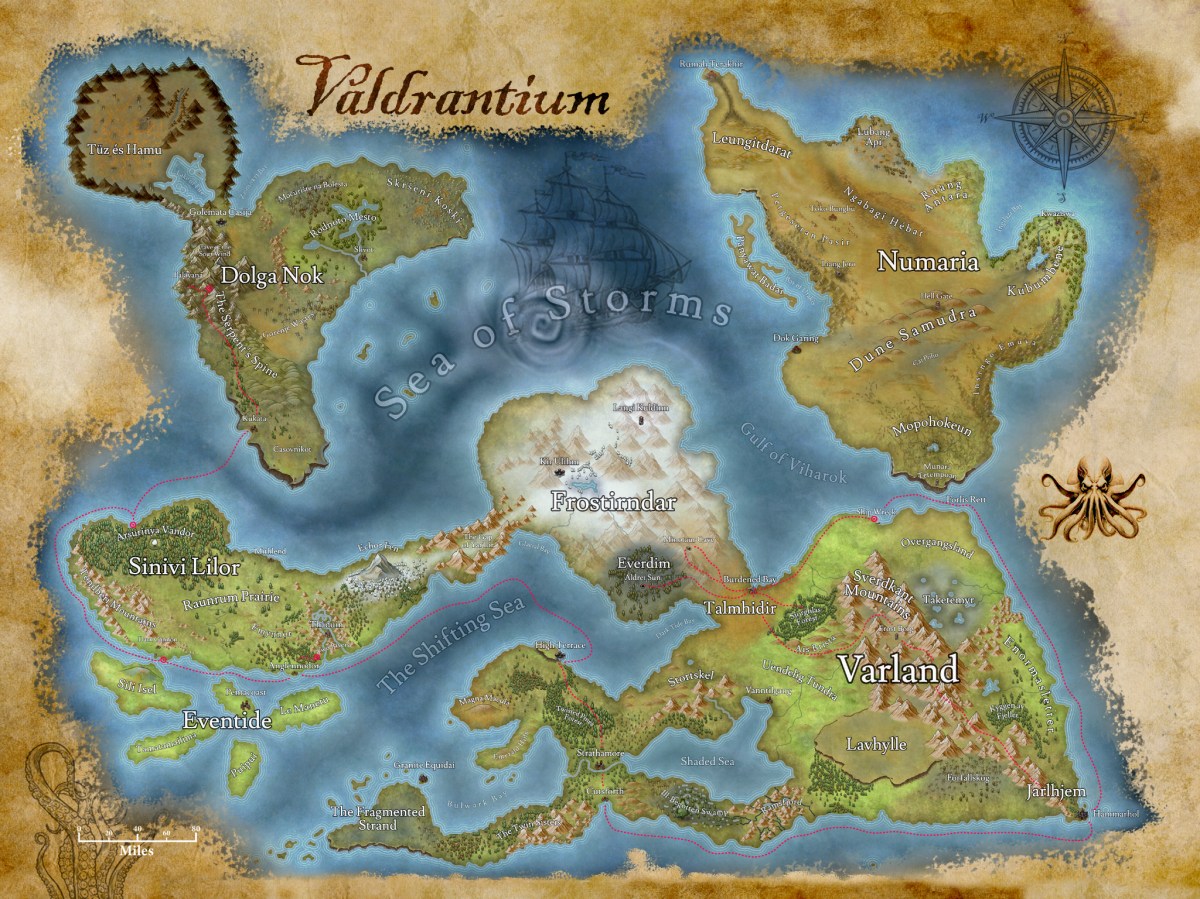
The biggest piece to this puzzle is that your players RARELY ever do what you think they are going to do. You can plan out an objective and a couple of different ways to achieve it, but they will most likely do something completely unexpected and cause you to think creatively on the fly. Because of this, you have to really KNOW your world and not just have a couple of bullet points to go off of. Something as seemingly simple as visiting the Aluvian Auction House in Strathamore can spiral into attending a secret trading society and then tracking one of the patrons back to their home (which I did not plan at all). But what caused that you might ask? Well, I make maps for my players and put points of interest on the map. The auction house was one of those. Then, through a bunch of questions about motives and sourcing of goods, we were led down this unpredictable path.


These city maps were created using Whatabou
This is one of the parts about the game I love the most. It’s a collective creative project rather than just my own. We are creating a world together. Sure, I create the bones of the story and give them a push in the direction I would like it to go, but the players have just as much influence on the journey as I do. It makes me think a bit harder on the places I want to put on the map or the creatures I want them to encounter. They can’t just exist there without context. This is also where my talent for BS really shines. When I do get stuck or caught off guard by the unexpected, I can shoot from the hip with having some contextual base to start from.
All of this is to say that when you are building a world, there is a lot that goes into its creation beyond just throwing a town on the map somewhere or having a mountain range to explore. Inevitably your players will ask, “why is this town here? How did the king come into rule? What kind of goods do they trade?” You better have a decent answer that makes sense otherwise it could compromise your players being able to become engrossed in the story. I have gone so far as to ask myself questions I didn’t think I would like, “what kind of climate would be created from this mountain range on its eastern front and if that area has become a swamp due to the runoff from the peaks, who or what would live there and how would they survive?”
The result is a long and enriched campaign full of complexity and wonder that has kept us going for two years with hopefully many more to come!
 J. CURTIS CUSTOMS